
Fire Services in Sydney,

Ready When It Counts

A fire system doesn't get tested by accident.
We service, repair and install fire hydrant

and booster systems for commercial
buildings, strata blocks and schools across Sydney,
and we document every test so
your compliance holds up when someone checks.

Established

x

Generations of
family

+

Yrs Master
Plumbers member

Licensed
plumbers

.6

Google
rating

Established

x

Generations of
family

+

Yrs Master
Plumbers member

Licensed
plumbers

.6

Google
rating

Your Building Is Old.

The Rules Just Changed.

Most of the Inner West’s commercial buildings and strata
blocks went up decades before anyone wrote AS 1851.
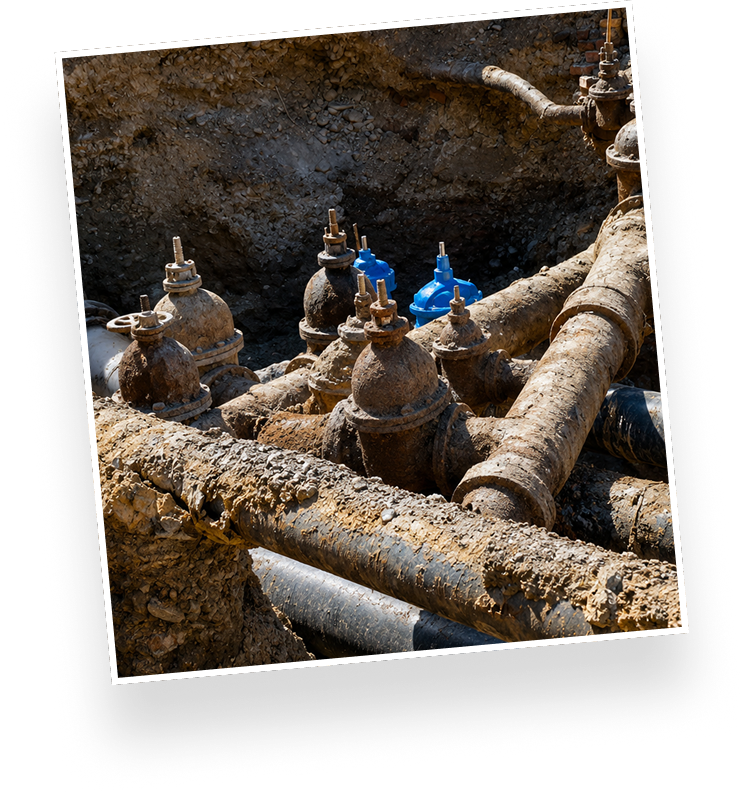
Hydrants installed in the 1970s, boosters bolted on when the
site was built, pipework nobody has opened since.

Since February 2026, NSW has required every Annual Fire
Safety Statement to be backed by maintenance carried out
strictly to AS
1851-2012. Testing to a lower standard, or by

someone who isn’t across it, no longer holds
up. We know what
these older systems
tend to hide, because we’ve been working

on Inner West buildings since before the
standard existed.

How We Test
a
Fire System

We test to find out if the system will
actually work, not just to tick a box.

System inspection

Full check of hydrants, booster assembly, valves and
pipework against the building's fire safety schedule.

Identify defects

Corrosion, seized valves, pressure loss, anything that
would fail under real fire brigade flow.

Repair or replace

Parts replaced on the spot where possible.
Straightforward pricing, no surprises.

Certify and report

Test tags applied and records supplied in a form your
fire safety assessor can use for the AFSS.

Signs Your Fire
System
Needs Attention

Catch these early and a repair costs less than a

failed inspection.

Overdue test tag

Last test tag past its due date on the hydrant or booster.

Booster won't start

Pump fails to engage or loses pressure under test.

Corroded or leaking valve

Rust, weeping joints, or a valve that won't seat properly.

Hydrant cover damaged or blocked

Access point cracked, seized or obstructed.

Failed AFSS

Annual Fire Safety Statement knocked back or flagged non-compliant.

Hydrant, Booster
and
Underground
Fire Services

Fire compliance is a commercial and strata problem
more than a household one. We handle the systems
that keep a building’s fire safety schedule current.

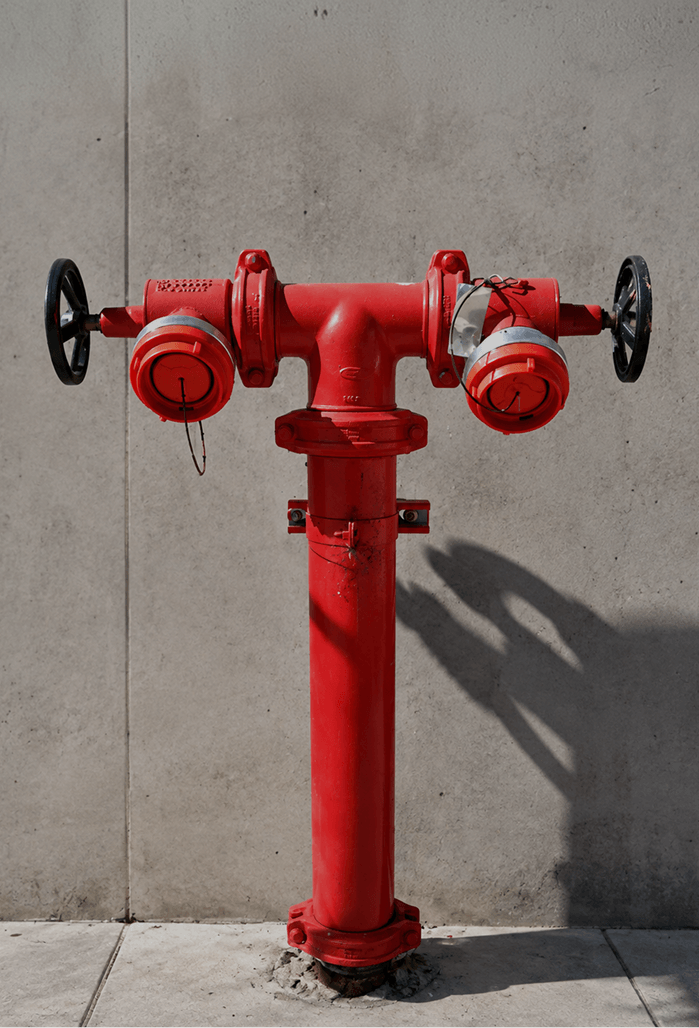
Hydrant systems

Testing, repair and replacement to AS 2419 and AS 1851.

Booster assemblies

Access point cracked, seized or obstructed.

Backflow prevention

Testing and certification on fire service backflow devices.

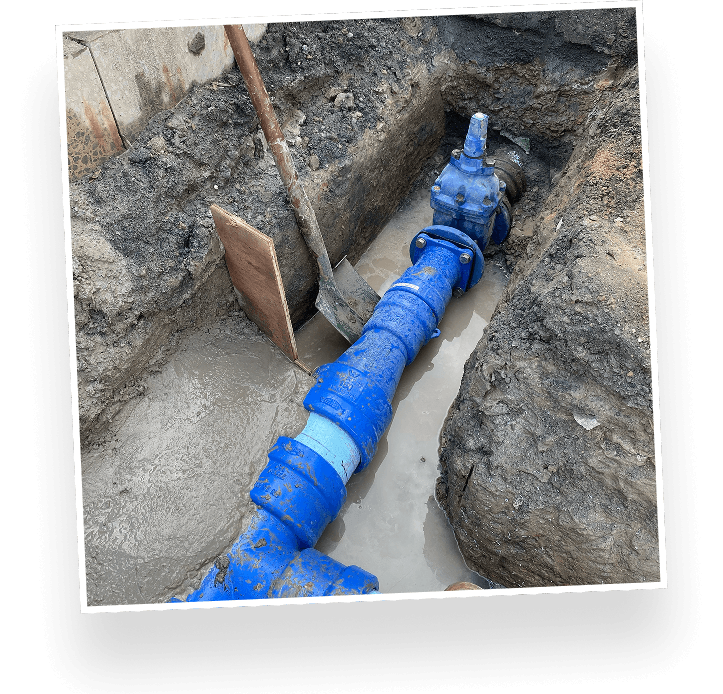
Underground fire mains

Excavation, pipe repair and hydrostatic pressure testing.

Fire hose reels

Inspection, repair and compliance testing.

For strata blocks, schools and commercial sites we handle the whole system end to end, and we
document every test so the report goes straight into your Annual Fire Safety Statement.

Non-Compliance:

The Usual Suspect

Most fire system failures don’t happen during a fire. They
happen at the inspection, when a booster that hasn’t run in
years won’t start, or a missing test tag turns a routine check
into a compliance breach.

Under the old rules, a system that looked fine could still
pass. Under AS 1851, now the standard behind every Annual
Fire Safety Statement, testing has to prove the system
performs, not just exist.

Where a system has been under-serviced for years, we show
you what the pressure test found and talk through what it
actually takes to get back to compliant, not just what gets
you through this year’s statement.

What Voids
Your
Compliance

None of these are complicated to avoid, and they’re
what turn a routine test into a failed statement.

Missing test tags

No record of the last service means the system
can't be signed off.

Skipped five-yearly testing

Hydrostatic and flow tests lapse without anyone noticing.

Untagged repairs

Work by an unlicensed trade voids the certification.

Deferred booster servicing

A pump that's never run under load can
fail when it finally has to.

Incomplete records

Paperwork that doesn't match AS 1851 intervals
holds up your AFSS.

Paperwork That

Actually Holds Up

A fire system is only compliant if you can
prove it. Every test, tag
and repair we carry
out gets logged and handed to you in a
format
your fire safety assessor or facility
manager can use straight away.
You get a
system that works and a paper trail that
backs it up, not a
folder you have to chase us
for when the statement’s due.

Straight Answers, Fair Prices

We will tell you what is wrong, what it will cost, and what your options are, in plain terms, before any work starts. No jargon, no pressure, and no surprise on the invoice. It is how we would want to be treated, and it is how we have kept clients for decades.

It depends on the system, how many hydrants are on site, and when it was last tested. A straightforward annual test is priced up front. Where a booster or valve needs repair, we tell you the cost before we start.

Yes. Every test and repair is documented and supplied in a format your fire safety assessor can use directly, so nothing holds up your AFSS lodgement.

Under AS 1851, most fire hydrant systems need annual testing, with a full flow and hydrostatic pressure test every five years. We work to your building’s fire safety schedule, not a generic interval.

Yes. Most of our fire work is strata blocks, schools, councils and licensed premises. We work directly with facility managers, body corporates and the trades already on site.

Ready to Talk?
Call Us Directly.

Whether it's a commercial contract, a maintenance arrangement, or a job booked this week, the fastest way is a call.

© 2026 HD Trinder Plumbers‎